


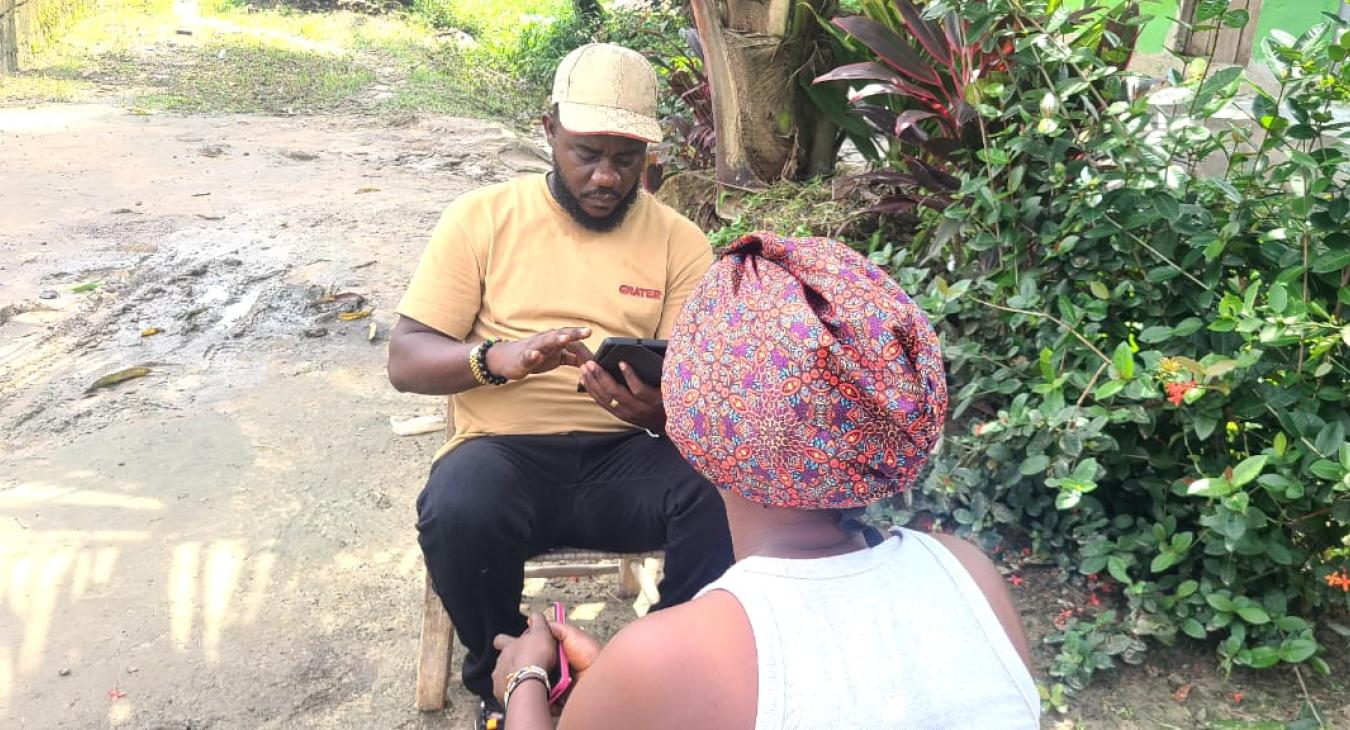
Research efforts to strengthen evidence on climate-related displacement and urban vulnerability in Liberia received a boost in November 2025 following the successful completion of a field data collection exercise under the International Development Research Centre (IDRC) Research Chair on Forced Displacement in Anglophone West Africa.
The Liberia data collection was conducted across five displacement-affected communities, Bernard Farm, Doe Estates, FDA Junction, Mt. Barclay and Dour Town, as part of a wider regional study examining the lived experiences and gendered dimensions of forced displacement in Anglophone West Africa. The exercise focused on internally displaced persons (IDPs) living in flood-prone, low-lying urban settlements, where climate-related risks intersect with poverty, unemployment and weak infrastructure.
The Liberia study follows earlier data collection exercises carried out in Ghana, Nigeria, and Sierra Leone, and contributes to building a comparative regional evidence base on climate-related displacement, urban vulnerability, and mobility patterns in Anglophone West Africa.
The exercise was led by Mary Boatemaa Setrana and implemented by a trained team of enumerators using a mixed-methods approach that combined household spot interviews, transect walks, key-informant discussions, direct observation and photo documentation. In total, 250 IDPs participated in the Liberia exercise.
According to the IDRC Research Chair, the Liberia field exercise was conducted in line with the objectives of the IDRC Research Chair on Forced Displacement in Anglophone West Africa, which aims to generate rigorous, context-specific and policy-relevant evidence to deepen understanding of forced displacement dynamics across the sub-region.
Field activities were coordinated by IDRC Research Chair Scholar, Ms. Gifty Sarkodie Amponsah, and Mr. Emmanuel Yakass, who worked closely with the enumerators to ensure adherence to research protocols, ethical standards, and quality assurance processes throughout the data collection period.
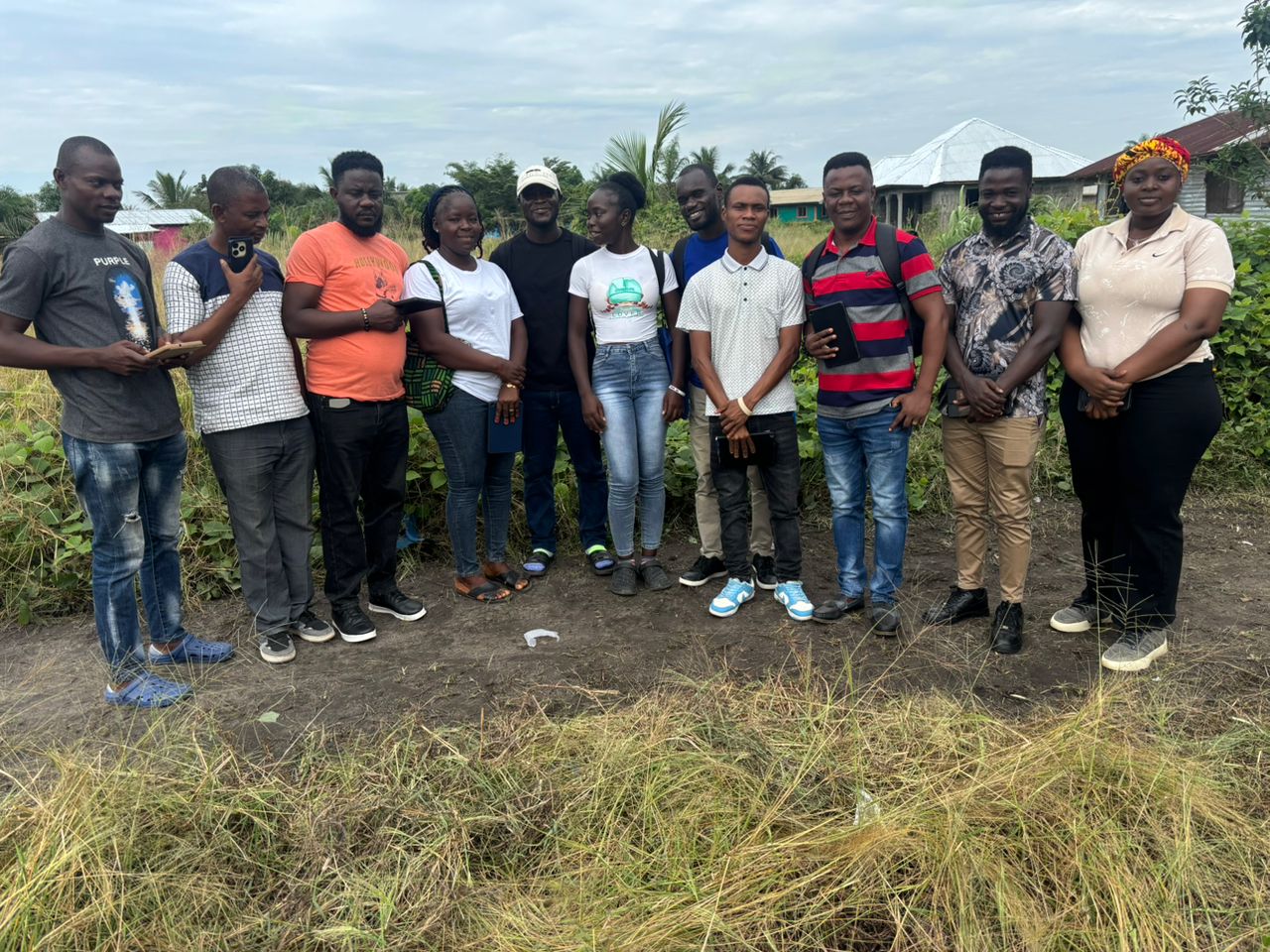
To ensure localisation and contextual relevance, the research team received support from local institutions, including the Liberia Refugee Repatriation and Resettlement Commission, as well as other national stakeholders. This collaboration facilitated community entry, strengthened local engagement, and supported alignment with national displacement and disaster management frameworks.
The Liberia data collection represents an important step in implementing the objectives of the IDRC Research Chair on Forced Displacement in Anglophone West Africa. It also contributes directly to its core mandate of advancing African-led research, strengthening regional comparative analysis, and informing policy dialogue on forced displacement, migration and climate-related risks in the sub-region.
- Log in to post comments