
By: Gifty Sarkodie Amponsah (IDRC Chair, PhD Scholar) and Mary Boatemaa Setrana (IDRC Chair)
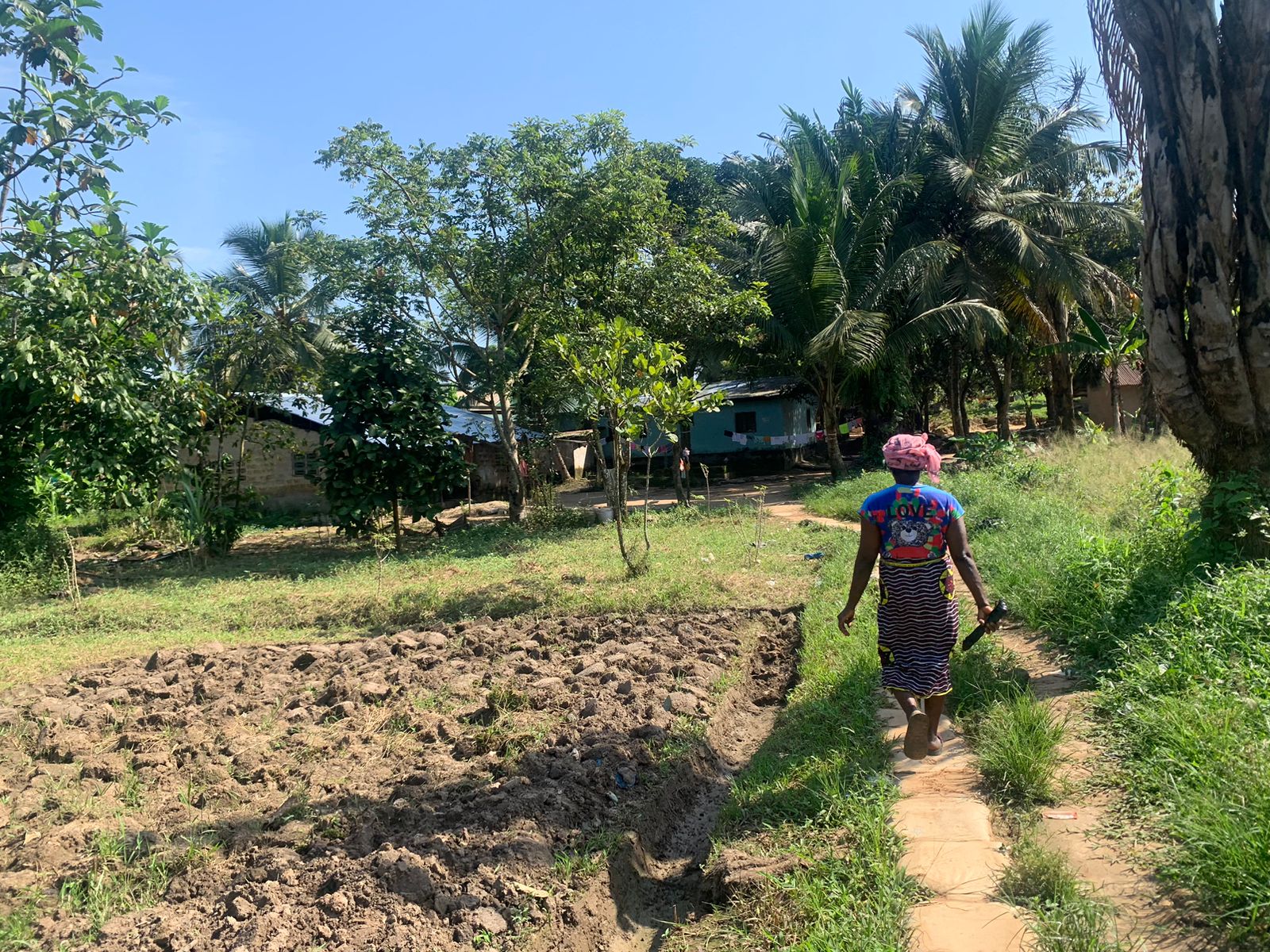
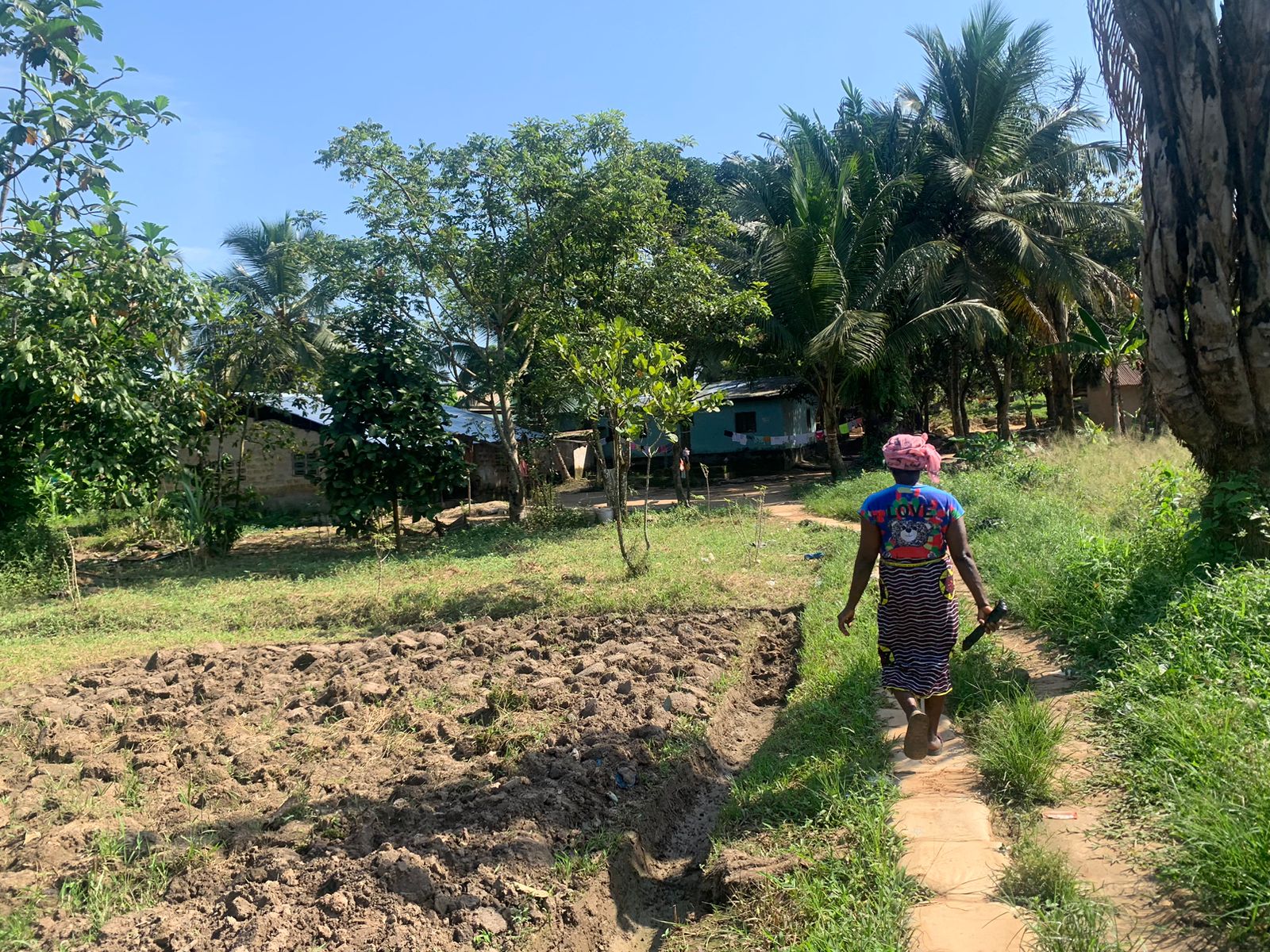
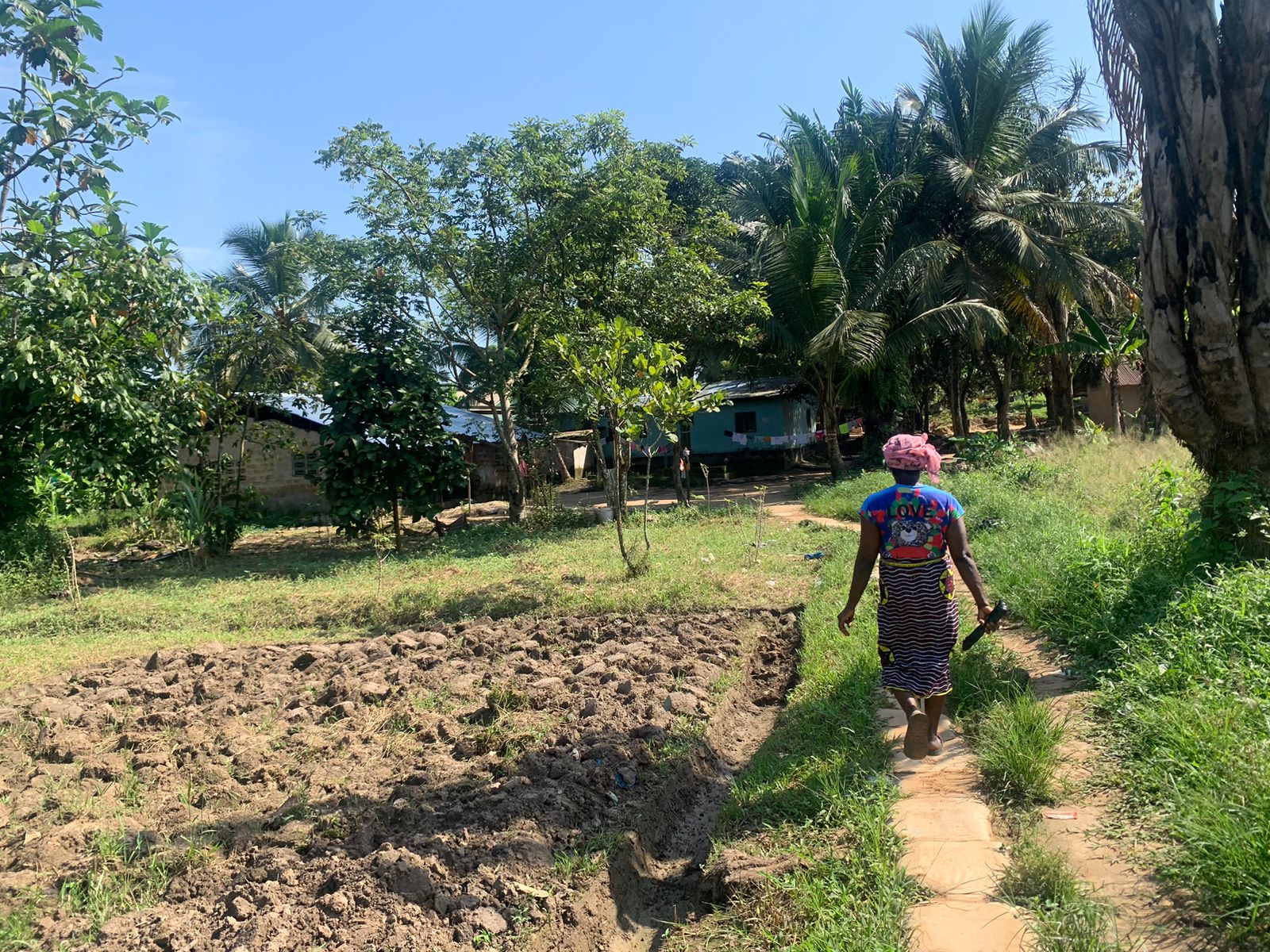
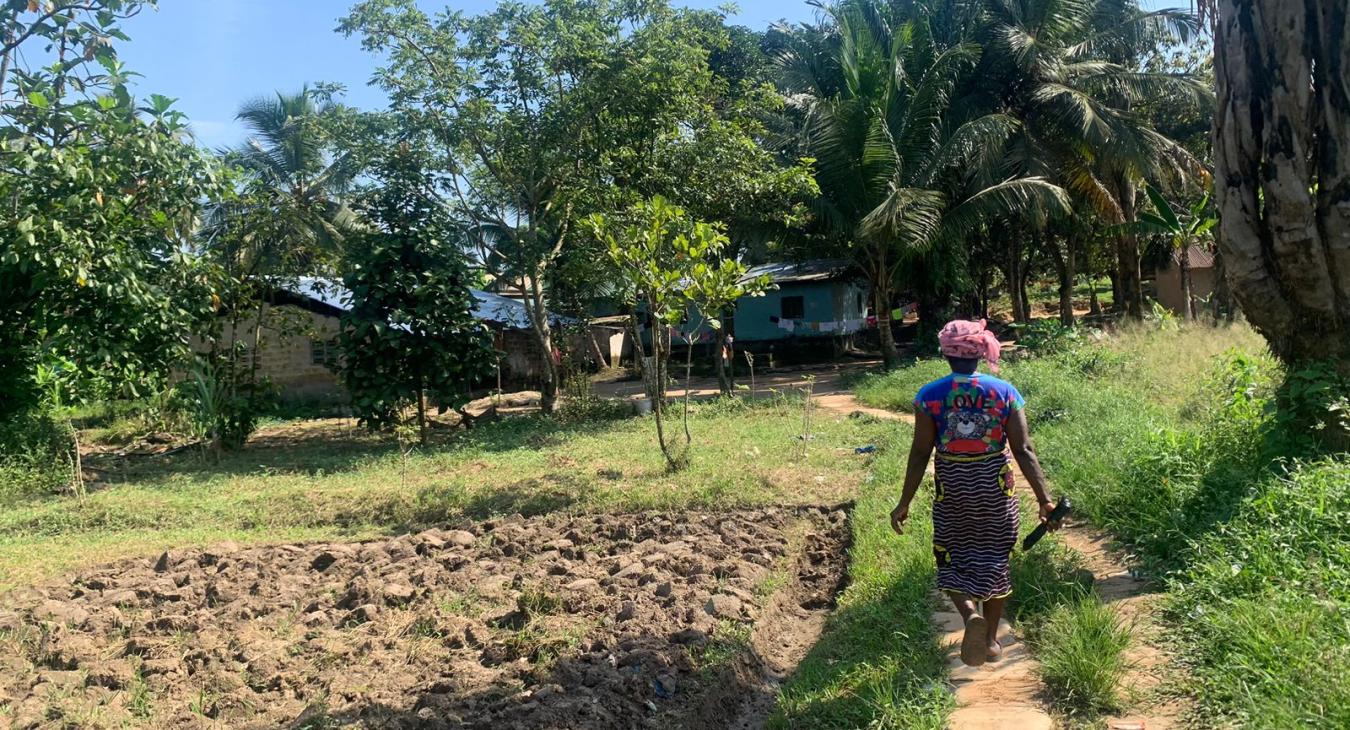
As early as 3:00 am, before the sun smiles at the people, women are already awake in Bernard farm, Doe Estates, FDA Junction, Mt. Bacrclay and Dour Town, scooping water out of their rooms with children crying whilst they being backed as their sleep has been interrupted. Some stand in the already flooded room with their children sleeping on elevated tables wandering and hoping that the sun smiles at them to at least show them the light to their escape. Others are checking whether the latrine behind the house has collapsed again.
In Monrovia’s flood-prone settlements Bernard Farm, Doe Estates, FDA Junction, Mt. Barclay and Dour Town’s displacement is not a single dramatic event. It is a pattern. A rhythm. A cycle.
During heavy rainfall, families move into churches or schools. When the water recedes, they return. They rebuild, others are unable to rebuild. And they wait for the next flood with their hearts throbbing in their chests and mind unsettled of when they will have to go through this again.
Our fieldwork across these communities shows that internal displacement in urban Liberia is not simply about movement, it is about LIVING PERMANENTLY IN RISK.
Flooding as Everyday Reality
Much of these settlements sit in low-lying terrain with poor drainage systems which are either inexistent blocked or shallow. Due to this, refuse is disposed off indiscriminately accumulating waste in waterways and during heavy rainfalls, water flows directly into homes. But flooding is only the beginning of the story.
When floodwater enters a house, it carries more than mud. It carries waste. It carries contamination. It carries disease. It carries distress. It carries uncertainty. Residents on every occasion reported the high incidences of malaria, diarrhoea, skin infections and typhoid especially during flood seasons. Because open wells are their only source of water, it becomes contaminated when nearby latrines overflow. However, mothers, fathers, brothers, sisters, children and the elderly continue to use them because there are no alternatives.
Health in these communities is reactive rather than preventive. Liberia does not have any comprehensive national health insurance system as compared to Ghana. Therefore, treatment requires out-of-pocket payment, leading to delayed care with some relying on self-medication.
Illness, in this context, is not accidental. It is infrastructural.
Disability in a Flooded City
For persons with disabilities, especially blind women, flooding transforms risk into confinement. Several visually impaired women described depending entirely on children or neighbours to move around, fetch water or access sanitation. When floods come, muddy pathways and stagnant water make navigation nearly impossible. Temporary shelters are not designed for accessibility and no adapted sanitation facilities and therefore need the assistance of relatives or their children. When caregivers are unavailable, some persons with disabilities remain indoors for long periods deprived of food, hygiene or medical needs. Globally, persons with disabilities are significantly more likely to be injured or die in disasters due to barriers in evacuation and infrastructure. In Monrovia’s informal settlements, these global inequalities take concrete form.
Gendered Burdens in Displacement
Displacement in these communities is also gendered. Women shoulder multiple roles which includes income earners, caregivers, water collectors and household managers. When flooding disrupts livelihoods, women often absorb the shock because they are mostly the caregivers. Adolescent girls face particular risks. Interrupted schooling, economic hardship and limited reproductive health education contributing to rising teenage pregnancy concerns discussed during stakeholder and community engagement. Gender-based violence was described as present but underreported. Many cases are resolved informally within communities due to stigma, economic dependence, personal preferences or limited trust in formal justice systems.
Therefore, flooding does not create inequality it exposes and intensifies it.
Land, Housing and the Trap of Return
Most families know the risks. Yet they return after every flood.
Why?
Because relocation requires resources they do not have. Some residents in Doe Estates occupy government-owned structures originally built for other purposes. Others live in informal housing constructed from mud, wood and zinc sheets. Overcrowding is common. Foundations are weak. Repairs are makeshift. Exacerbating the already devastated persons in the community.
People are displaced, but not resettled.
Vulnerable, but not formally recognised as camp-based IDPs.
Exposed, but not fully protected.
Health Beyond the Clinic
Health vulnerability in these communities is not confined to clinics.
It is shaped by:
- Flood-contaminated water
- Inadequate sanitation
- Mosquito breeding grounds
- Economic precarity
- Interrupted education
- Limited mobility for persons with disabilities
Interacting with displaced persons in Liberia revealed not just the medical issues but the in depth structural deficiencies. Poverty, ignorance and poor implementation of health systems leave these displaced persons devastated and discouraged as they do not even have hopes that there will be government intervention. During stakeholder discussions, institutional actors acknowledged that displacement governance faces capacity and coordination constraints. Policies exist, but implementation gaps remain, resulting in a slow-burning urban crisis.
Globally, over 122.6 million people are forcibly displaced[1]. Increasingly, displacement is urban, protracted and climate-sensitive. Monrovia reflects this trend. The people in Bernard Farm, Doe Estates, FDA Junction, Mt. Barclay and Dour Town are not living in temporary emergency. They are living in structurally produced vulnerability. Where flooding is predictable, drainage failures are visible, sanitation risks are known, gendered burdens are evident. Yet response remains largely reactive. Breaking the cycle of displacement in Monrovia requires more than emergency relief after each rainy season. It requires:
- Risk-sensitive urban planning
- Drainage rehabilitation
- Accessible infrastructure
- Gender-responsive protection systems
- Disability-inclusive disaster preparedness
- Expanded social protection and health access
Most importantly, it requires recognising that internal displacement in these communities is not accidental but rather embedded in how urban space is structured and governed.
When the waters roar, they do more than flood homes.
They scare the human heart and dignity
They reveal the fault lines of inequality.
And until those structural issues are addressed, displacement in Monrovia will remain cyclical, quiet and profoundly unequal.
- Log in to post comments