
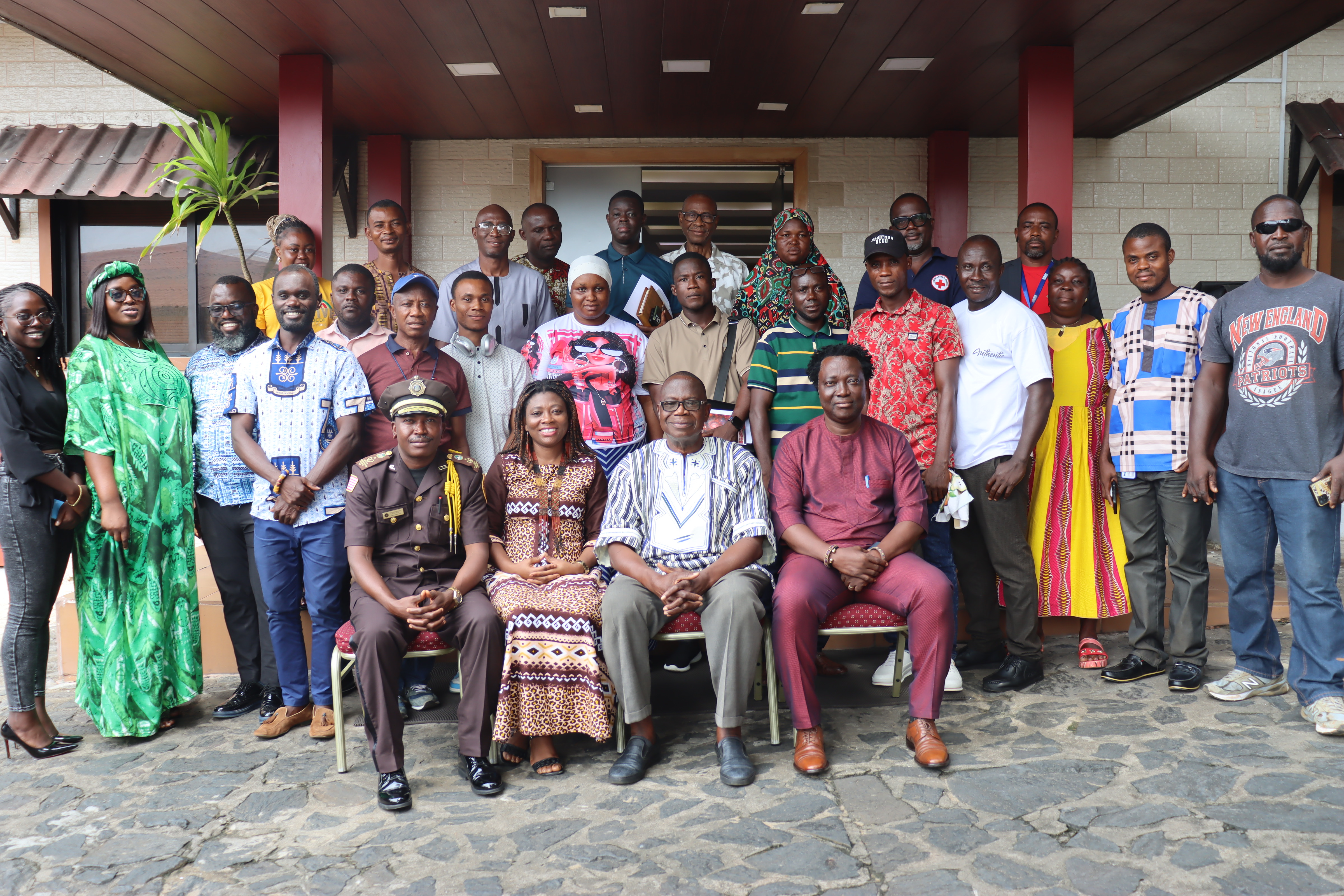

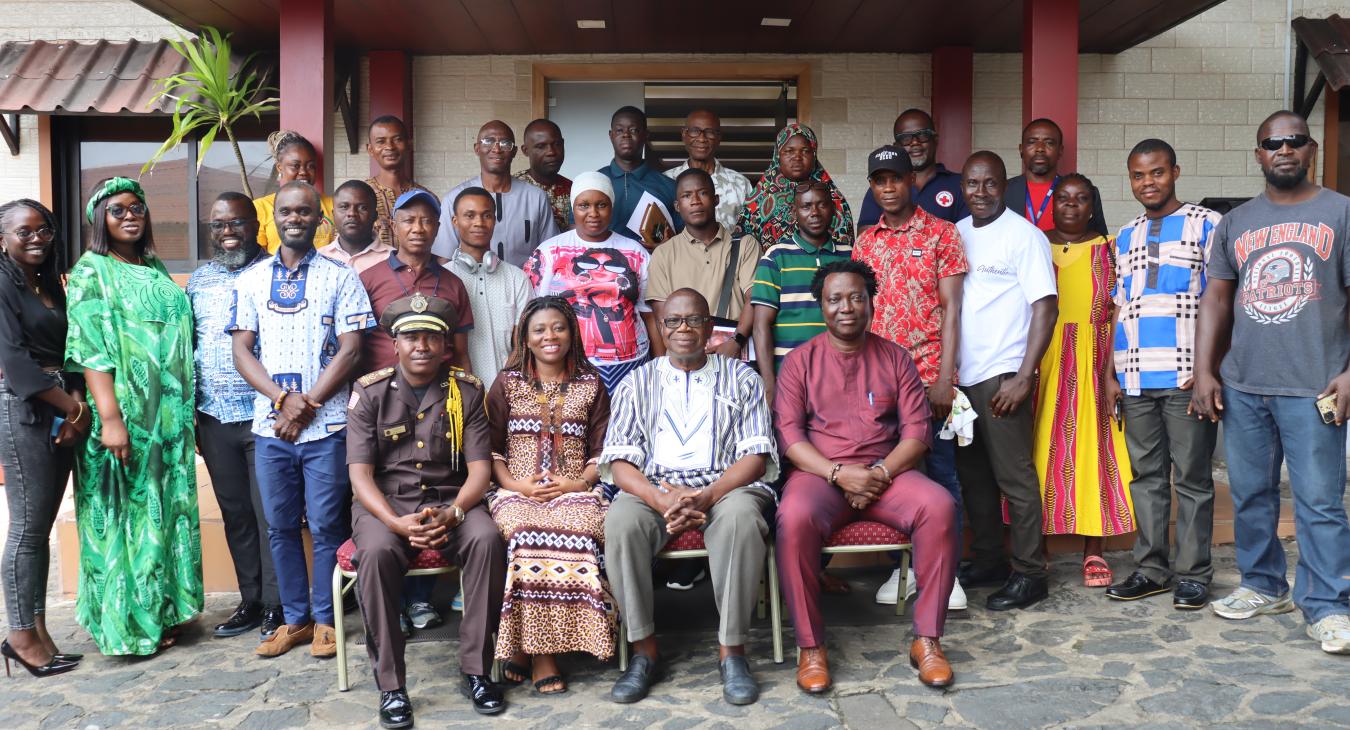
The International Development Research Centre (IDRC) Research Chair on Forced Displacement in Anglophone West Africa, hosted at the Centre for Migration Studies, has advanced its regional research and policy engagement agenda with the successful organisation of a Liberia Dissemination and Policy Dialogue Workshop.
The workshop was organised in collaboration with the Liberia Refugee Repatriation and Resettlement Commission (LRRRC) as part of the broader IDRC-funded project titled “Strengthening Knowledge, Evidence Use and Leadership in the Global South on Forced Displacement: Focus on Anglophone West Africa.”
The project, hosted at the University of Ghana, seeks to generate policy-relevant evidence on forced displacement while strengthening institutional engagement across the sub-region.
Liberia was included in the project in 2025, following field observations from earlier research activities in Ghana, Nigeria and Sierra Leone, which revealed displacement linkages affecting Liberian populations both internally and across borders. Approval by IDRC enabled the research team to engage directly with Liberian institutions, displacement-affected communities and refugee populations.
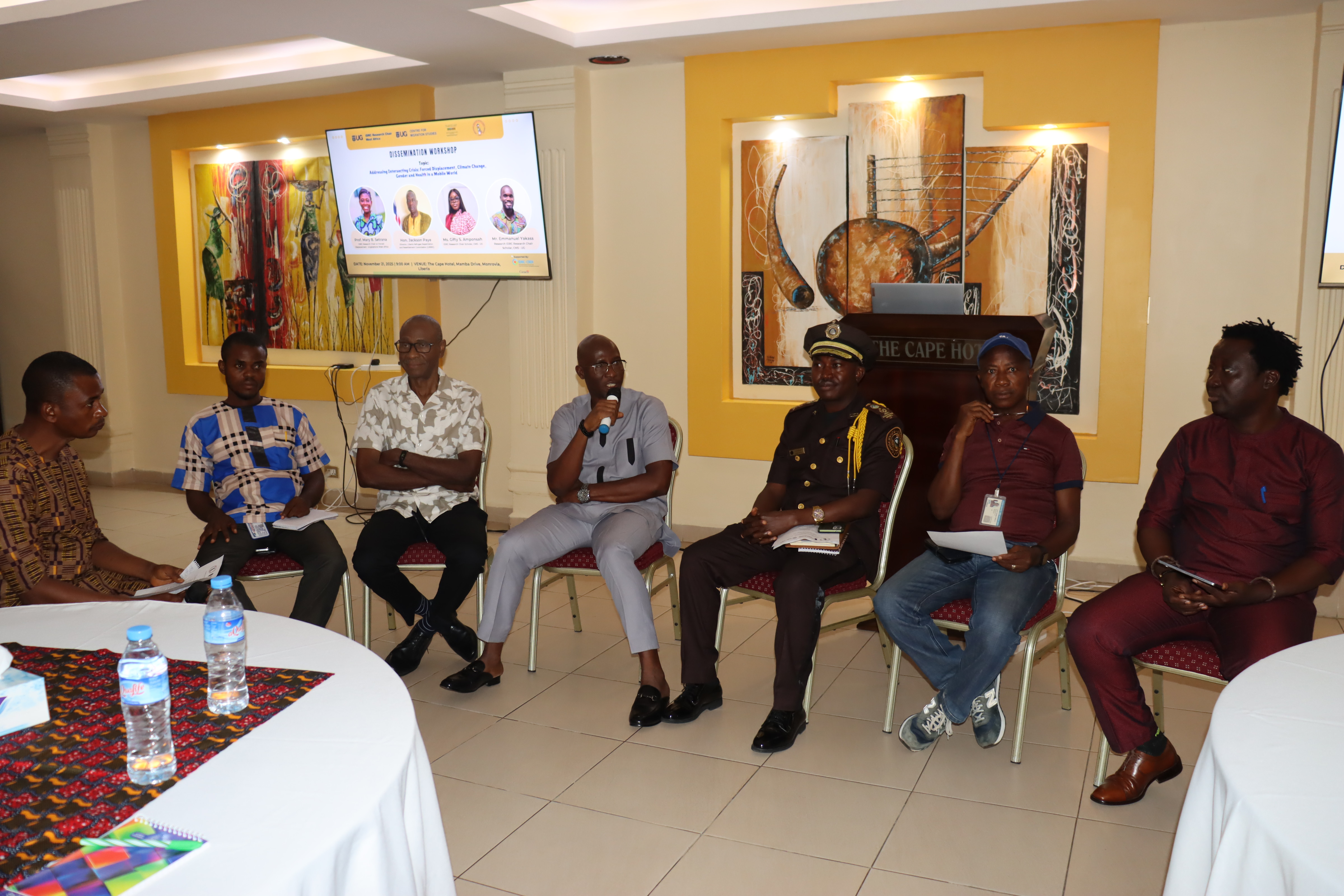
The workshop brought together representatives from government institutions, academia, humanitarian agencies and development partners to share preliminary findings from recent fieldwork, reflect on policy implications and strengthen collaboration on displacement governance in Liberia.
Delivering an overview of the project, Prof. Mary Boatemaa Setrana, IDRC Research Chair on Forced Displacement in Anglophone West Africa and Director of the Centre for Migration Studies, explained that the Liberia engagement forms part of a broader regional initiative responding to forced displacement as a shared challenge across West Africa.
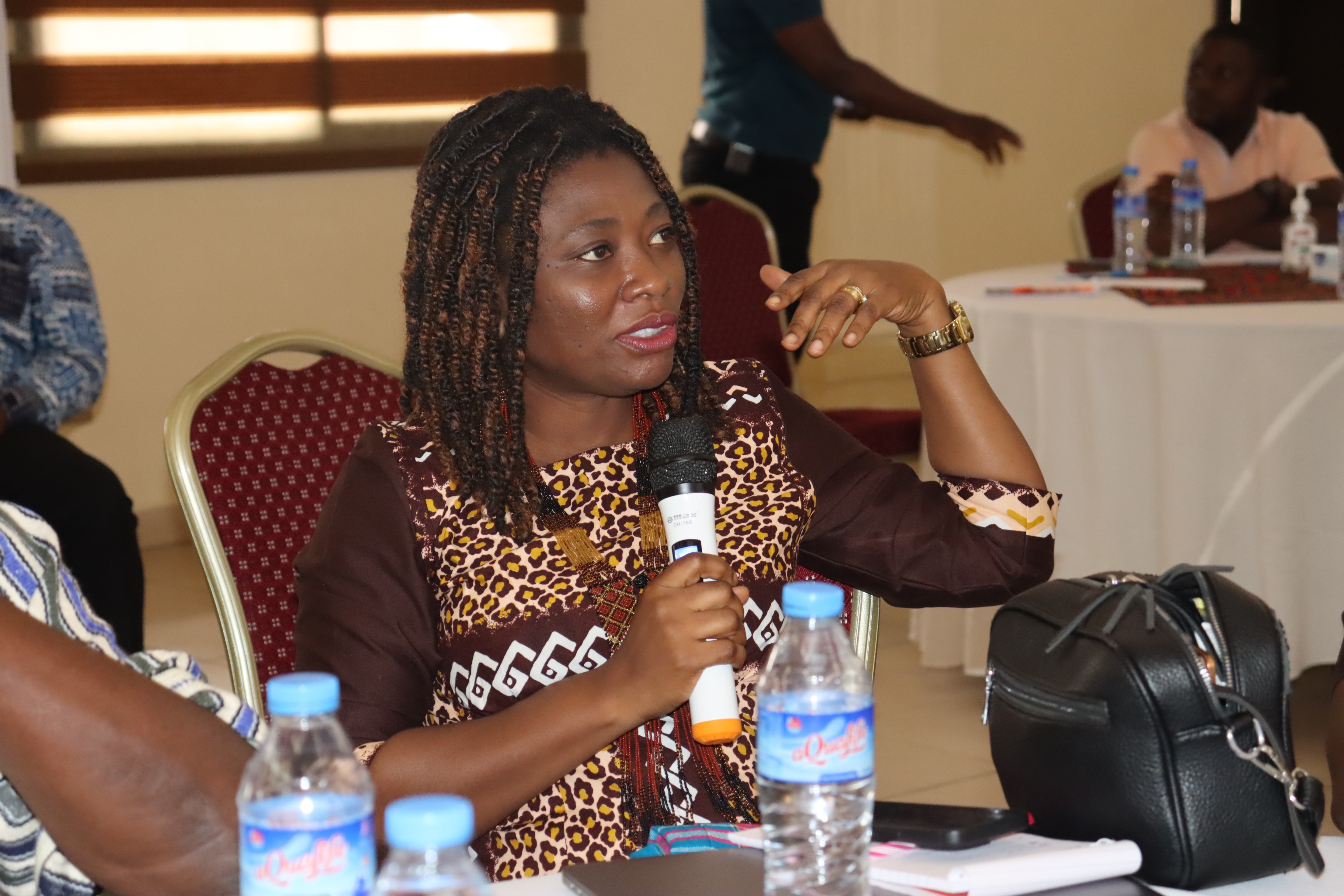
She noted that while global figures point to over 108 million forcibly displaced persons worldwide, there remains limited understanding of lived experiences and the effectiveness of existing policies, particularly in urban and climate-affected contexts.
Prof. Setrana added that with support from the IDRC, the Chair is contributing to the production of robust regional data that informs evidence-based policymaking, and expressed gratitude to stakeholders for their support, noting that such commitment is vital for generating policy-relevant research that strengthens regional responses to forced displacement.
Hon. Johnson Paye, Director of the LRRRC, delivered the keynote address, highlighting the Commission’s role in managing refugee flows and coordinating protection and resettlement support.
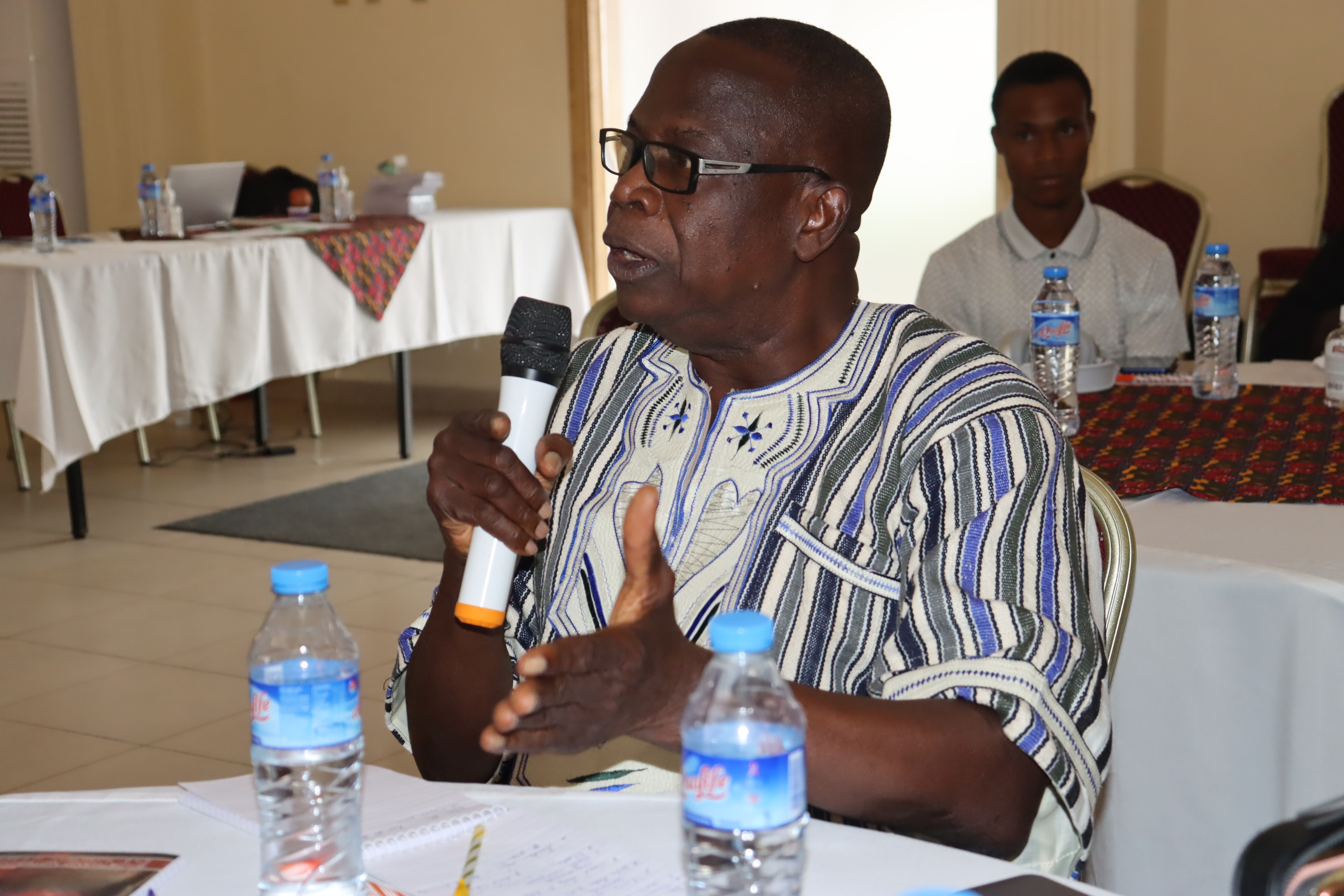
Representatives from the Liberian Immigration Service (LIS) reflected on border management, population monitoring, and emerging migration challenges driven by climate shocks and socio-economic pressures.
Dr. William Allen, representing the newly established Centre for Migration and Diaspora Studies at the University of Liberia, emphasised the importance of academic engagement on migration and diaspora issues, including the study of climate-induced displacement and the integration of refugee communities.
Preliminary findings shared at the workshop were drawn from fieldwork conducted in five urban and peri-urban communities in Monrovia, Bernard Farm, Doe Estates, FDA Junction, Mount Barclay, and Dour Town, as well as engagements with refugees in Grand Gedeh County, including the former PTP settlement, now known as Kanneh New Town.
The research highlighted cyclical, climate-induced displacement driven largely by flooding, poor drainage, and inadequate urban infrastructure, alongside persistent challenges related to livelihoods, housing quality, sanitation, health access, education, and protection of vulnerable groups.
Discussions further revealed the complex displacement landscape in Liberia, including protracted refugee situations, evolving settlement dynamics, gaps in documentation, and tensions arising from differentiated access to assistance.
Particular attention was given to the gendered dimensions of displacement, the experiences of persons with disabilities and the challenges faced by children and adolescents in displacement-affected communities.
Through the Liberia dissemination workshop, the IDRC Research Chair strengthened dialogue between research, policy and practice, reinforcing its commitment to producing locally grounded evidence and supporting collaborative responses to forced displacement in Anglophone West Africa.
- Log in to post comments